


Subtotal ₹0.00

Quick Overview
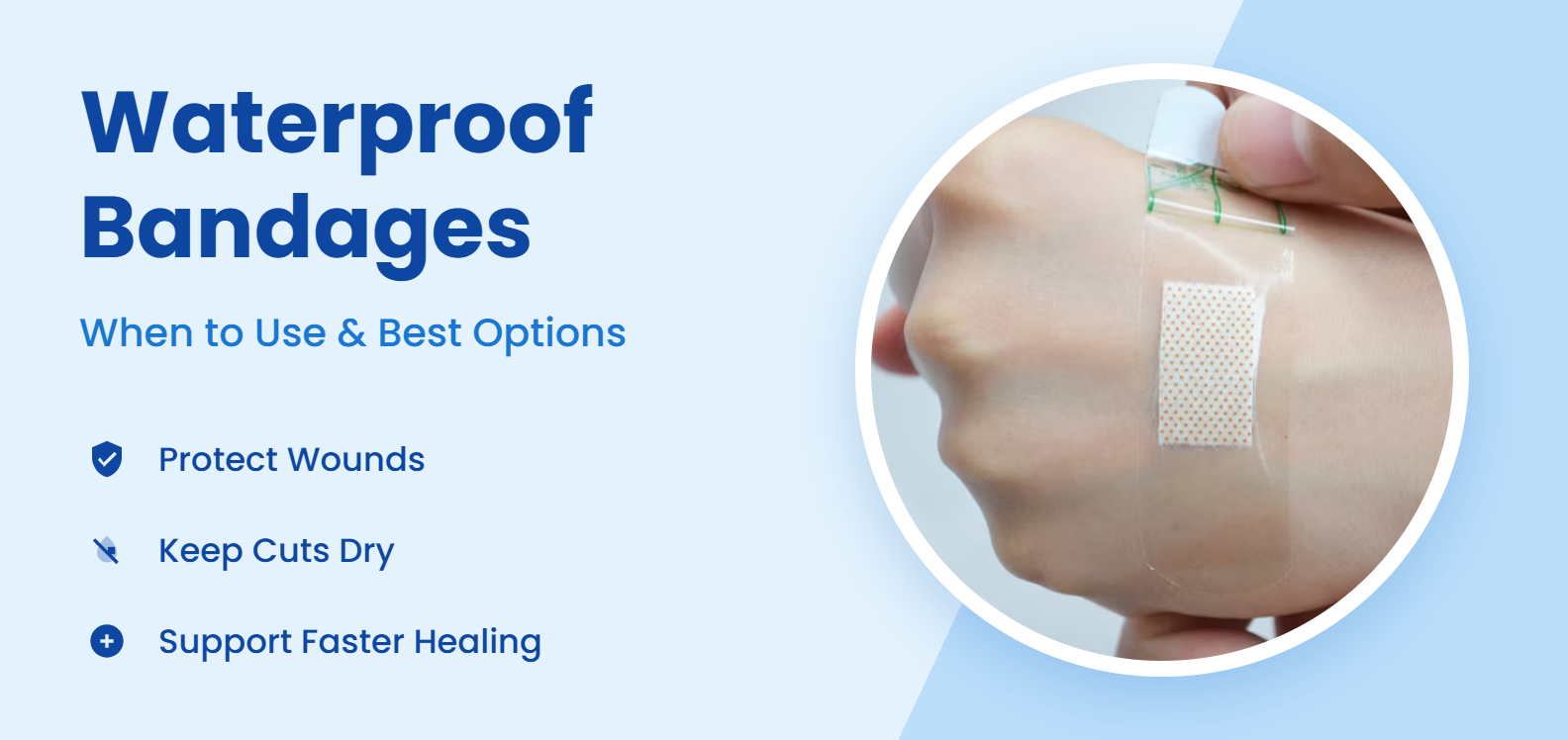
Waterproof bandages keep cuts completely dry. They offer excellent protection for damaged skin. A covered wound holds onto its own natural moisture. This simple shield speeds up healing. Proper application keeps nasty germs away. The tight seal halts infection right at the surface. People recover faster when they block out everyday tap water. A patient should always visit a doctor for deep or painful scrapes.
Why waterproof bandages are essential for healing
Healing takes time. Skin needs a quiet space to fix itself. Waterproof bandages protect healing skin from outside moisture. They easily block out rain, sweat, and bathwater.
These strips create a perfect moist healing environment inside the soft pad. The body uses this trapped fluid to build new cells. The body repairs broken tissue much faster this way. It’s a clever trick of human biology.
A good bandage seals tightly on all four sides. The sealed edges block out dirt completely. They actively stop harmful bacteria from causing a bad infection.
High-quality covers use special flexible plastic. This layer lets a tiny bit of air flow through. Breathable patches stop the delicate skin from getting mushy or soggy. Constant sogginess ruins a fresh scab. A dry edge thwarts extra damage perfectly. Anyone with a severe cut must ask a medical professional for standard care advice.
Key differences between washproof and waterproof plasters
People often confuse washproof plasters with waterproof bandages. Knowing the exact difference helps a wound heal safely. Washproof plasters handle brief splashes of water. A quick trip to the sink for hand washing works fine. Light kitchen work is also perfectly okay. But these covers fail quickly during full immersion. The sticky part melts away fast.
Waterproof bandages provide a complete, tight seal. This barrier keeps the injury completely dry while a person goes swimming or showering. Makers give the waterproof versions much higher adhesive strength. The edges maintain a resilient grip on the skin. Water cannot sneak inside. It’s best to match the covering to the daily routine. A person should always call a doctor if a cut turns red or feels hot.
Top waterproof bandage types for different injuries
Finding the right fit helps a cut heal much faster. Store shelves hold several great options today. Hydrocolloid bandages stay on the skin for days. They also cushion deep wounds well. The thick material traps moisture inside to help healthy skin return.
Transparent film dressings let people see the wound directly. Patients can check the healing process safely. They never need to pull the sticky tape off. Some body parts bend a lot. A liquid bandage works best for small cuts in tricky spots like knuckles. A person just brushes it on like paint. It dries quickly into a clear shell.
Island dressings feature a soft, non-stick pad in the middle. Hospitals often suggest these for surgical incisions. Trusted brands like 3M Nexcare make very strong versions of these covers. If a cut hurts badly or bleeds a lot, a medical professional needs to look at it.
How to choose the best waterproof bandage for specific needs
A person needs the right cover for a scratch. People move a lot during the day. Someone might bend a knee or an elbow often. This means buyers must check the adhesive strength. Strong glue keeps the cover in place on busy joints.
Skin needs air to stay healthy. A good bandage allows air to flow right through it. Shoppers should look for high breathability. Tiny microscopic channels let the skin breathe easily. These tiny paths stop sweat from getting trapped.
Some skin reacts badly to certain materials. A red rash makes a small cut feel much worse. It’s helpful to pick hypoallergenic options. People with sensitive skin should buy latex-free items. These safer choices stop bad skin reactions before they start.
The size of the cover matters a lot. A small patch will not protect a big scrape. The pad must cover the whole injury. Shoppers need to leave a one-inch margin around the cut. This extra space helps the sticky part hold tight. A person should always ask a doctor about any deep cuts.
Best practices for applying a 360 degree seal
A proper fit keeps water away from a scratch. A person must wash the hurt area first. Caregivers must keep the skin clean and dry. A wet surface makes the sticky part fail right away. Total dryness ensures a great stick.
A perfect shield surrounds the whole cut. This complete wrap creates a 360 degree seal. A user puts the pad over the mark. Then, the person presses the edges down hard. Someone should hold these sides for thirty seconds. This firm push wakes up the glue.
Air bubbles cause big problems later. Water finds a way through tiny gaps. A careful person smooths out any air bubbles. Flat sides stop leaks from ruining the fresh cover. It takes just a few extra seconds to flatten the top.
Pulling the material too tight hurts the body. A tight pull cuts off healthy blood flow. A stretched cover also pops off the skin fast. People should lay the strip down gently. A relaxed fit protects the injury the best.
Protecting surgical sites and IV lines during showers
Patients heal best when their wounds stay completely dry. Many people worry about keeping medical tubes clean at home. A plastic tube in the arm is called a PICC line. These tubes deliver medicine directly to the body. Simple medical tape keeps them safe from daily harm.
Tegaderm dressings provide hospital-grade protection for IV sites. Doctors trust this clear film. It creates a watertight seal over the skin. The clear material lets a person see the healing process happening underneath.
Sometimes individuals go home with large surgical incisions. Shower shields offer extra backup for these big cuts. They act like a plastic roof over the skin. This extra layer deflects stubborn water drops.
A patient must stand carefully in the water. They need to keep the water spray away from the dressing edges. Heavy pressure from a showerhead lifts the sticky corners very fast. Running water easily ruins a fresh seal.
Drying off properly takes just a few extra seconds. A person should pat the area dry immediately after exiting the shower. Rubbing the skin with a heavy towel pulls the tape right off. Patients should always ask their doctor when it’s safe to bathe.
Common mistakes that cause waterproof bandages to fail
A good bandage keeps dirt and water away. Sometimes these patches fall off way too early. A few basic errors botch the sticky seal.
Applying a bandage to wet skin causes instant peeling. Lotion also makes the skin very slick. The sticky part just slides around instead of grabbing the skin. A person must dry their arm completely before putting on a new patch.
Some folks try to save their medical supplies. But reusing an old dressing destroys the sticky bond. The glue only works perfectly the first time. It’s totally useless after someone pulls it off.
Rushing the job usually leads to messy results. Ignoring small creases allows water to seep inside. A tiny wrinkle acts like a water slide right to the cut. A patient needs to smooth the tape out flat against their arm or leg.
Leaving a wet bandage on can lead to skin infections. Warm water trapped against a cut breeds germs fast. A soaked bandage needs to come off right away. Anyone who notices red or hot skin needs to call a doctor. Prompt medical care keeps small problems from getting worse.
Conclusion
Choosing the right waterproof bandage helps a person stay busy while a cut heals. A tight cover blocks out water. The body repairs the skin safely underneath. This simple choice really matters. It stops bad dirt from causing trouble. People can wash dishes or take showers without stress. It’s always best to visit a doctor if a scrape gets hot, red, or angry.
Frequently Asked Questions
Can a person swim in the ocean with a waterproof bandage?
Yes, ocean swimming works fine. A swimmer must press the edges down flat first. Crashing waves pull at the sticky tape. Someone should check the seal right after leaving the beach. A loose flap means it’s time for a new bandage.
How long can someone leave it on?
Most standard covers stay secure for two to three days. Special moisture-trapping bandages can last up to a whole week. Sweat and natural skin oils slowly ruin the glue over time. A patient must change the dressing early if dirty water sneaks inside.
Will taking the bandage off hurt sensitive skin?
Peeling off strong tape sometimes hurts. People with delicate skin should pick bandages made with soft silicone glue. Silicone holds on tight but peels off like an absolute breeze. This material doesn’t leave sore red marks behind. It stops the bandage from ripping out tiny hairs.
