Subscribe to out newsletter today to receive latest news administrate cost effective for tactical data.

Let’s Stay In Touch

Shopping cart

    Subtotal 0.00

    View cartCheckout

    Non Sterile Dressings


    Types of Dressing

    Learning about the types of dressing is also crucial to wound care and infection control in the clinical environment, as well as at home. Dressings are very important in wound protection, enhancement of healing, absorption of exudates, and wound contamination. According to hygiene needs and applications, the two major types of dressings include sterile dressings and non-sterile dressings, which have a particular role to play in medical care. The selection of the appropriate kinds of dressing is dependent on the severity, location and environment of a wound.

    Difference Between Sterile and Non-Sterile Dressings

    Understanding the distinction between sterile dressing and non-sterile dressing is important in ensuring that patients are provided with proper care and the safety of the wound.

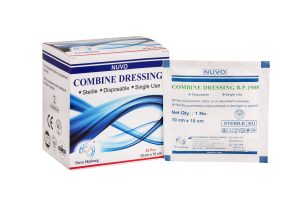
    Sterile dressings:

    • Free from microorganisms and packed in contamination-controlled conditions

    • Ideal for surgical wounds, deep cuts, and post-operative care

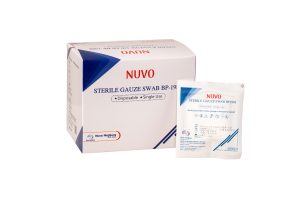
    • Include sterile gauze dressings, sterile wound dressing materials, and sterile dressing packs

    • Commonly used in hospitals, operation theatres, and clinical environments


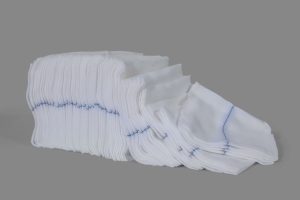
    Non sterile dressings:

    • Suitable for minor injuries and non-critical wound coverage

    • Often used as a non sterile wound dressing over a sterile layer

    • Common in outpatient care, first-aid kits, and dressing changes

    Sterile and non-sterile dressings have their place due to the type and care needs of the wounds.

    Basic Wound Dressing Steps

    To avoid the risk of infection and aid healing, the correct steps of wound dressing are necessary. A basic definition of wound dressing definition of cleaning, covering and protecting a wound with the use of the right materials.

    Standard wound dressing steps include:

    • Cleaning the wound thoroughly to remove debris

    • Applying antiseptic if required

    • Choosing suitable wound dressing types based on the wound condition

    • Covering with sterile dressings for open wounds

    • Securing the dressing to keep it clean and dry

    Correct wound dressing steps reduce complications and ensure effective wound recovery.

    Uses of Dressings

    To cover up the wound, absorb exudates and keep the wound in an ideal healing environment, dressings are applied. There are various wound dressing types that are chosen according to the severity of injuries and their treatment time.

    Common uses of dressings include:

    • Protecting wounds from bacteria and external contaminants

    • Supporting healing in surgical and traumatic wounds

    • Managing moisture and reducing discomfort

    • Providing safe coverage using sterile dressings or non sterile dressings as needed

    Wound care is highly dependent upon high-quality wound dressing products in the clinical and home environments. The selection of the appropriate dressing types guarantees improved healing and comfort for the patient.