
Nuvo Medsurg

Cotton and Adhesive Bandages — Direct from Manufacturer

Trusted by 500+ hospitals & distributors across India · ISO 13485 Certified · Bulk supply available for all SKUs

MOQ per product12 boxes
Lead time5–7 working days
DeliveryPan-India
InvoicingGST bill included
SamplesFree on request
ISO 13485 Certified
500+ Hospital clients
5–7 day dispatch
Dedicated B2B team

Filter by: All Cotton and Adhesive Bandages 10 FR/FG 12 FR/FG 14 FR/FG 16 FR/FG 18 FR/FG 8 FR/FG cril
Buy Nuvo Cotton Bandage Stockinette Online
MOQ
12 boxes
Price / box
₹180 – ₹450
USP sizes
Multiple
Lead time
5–7 days
₹180 – ₹450 / box
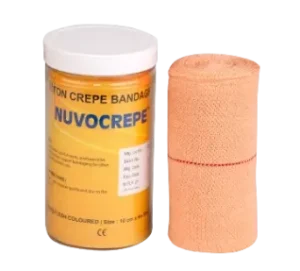
Buy Nuvo Cotton Crepe Bandage Online
MOQ
12 boxes
Price / box
₹129 – ₹249
USP sizes
Multiple
Lead time
5–7 days
₹129 – ₹249 / box
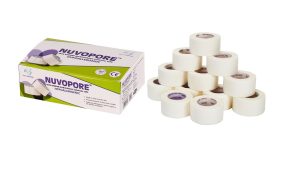
Microporous Hypoallergenic Paper Tape
MOQ
12 boxes
Price / box
₹230 – ₹250
USP sizes
Multiple
Lead time
5–7 days
₹230 – ₹250 / box
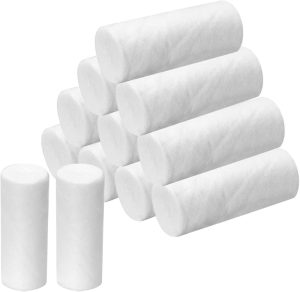
Nuvo Cotton Cast Padding (Soft Roll)
MOQ
12 boxes
Price / box
₹1,099 – ₹2,199
USP sizes
Multiple
Lead time
5–7 days
₹1,099 – ₹2,199 / box
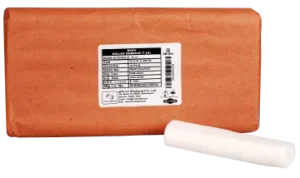
Nuvo Rolled Cotton Bandages Pack of 12 Pcs
MOQ
12 boxes
Price / box
₹149 – ₹269
USP sizes
Multiple
Lead time
5–7 days
₹149 – ₹269 / box
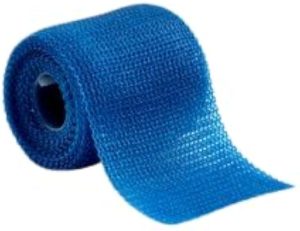
Nuvocast Fiberglass Cast Bandage
MOQ
12 boxes
Price / box
₹449 – ₹599
USP sizes
Multiple
Lead time
5–7 days
₹449 – ₹599 / box
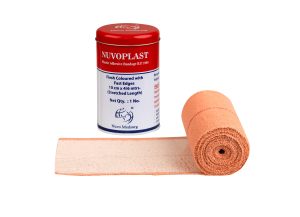
Nuvoplast elastic adhesive bandage
MOQ
12 boxes
Price / box
₹249 – ₹1,249
USP sizes
Multiple
Lead time
5–7 days
₹249 – ₹1,249 / box
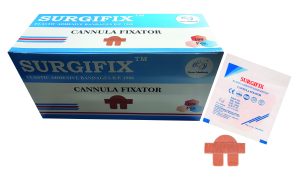
Surgifix i.v cannula fixator
MOQ
12 boxes
Price / box
₹389 – ₹739
USP sizes
Multiple
Lead time
5–7 days
₹389 – ₹739 / box

SURGISET PLASTER OF PARIS BANDAGES
MOQ
12 boxes
Price / box
₹599 – ₹699
USP sizes
Multiple
Lead time
5–7 days
₹599 – ₹699 / box

Procuring for a hospital, clinic, or distribution network?

Our B2B team responds within 2 hours with a quote, datasheet, and samples — no commitment required.


Buy Bandages Online

Types of Bandages for Every Medical Need

Bandages are essential for wound care as they provide protection, support, and promote faster healing. Different types of bandages are designed to meet various medical requirements. Below is an overview of commonly used bandages for different medical needs.

Adhesive Bandages: These are thin and flexible bandages used for minor cuts and scratches. They contain an absorbent pad that protects wounds, prevents infection, and supports healing.

Gauze Bandages: Made from woven fabric, gauze bandages are highly versatile and absorbent. They are commonly used for dressing surgical incisions and deep or large wounds.

Elastic Bandages: Also known as compression wraps, elastic bandages help reduce swelling and support sprains, strains, and joint injuries by providing a snug fit.

Cohesive Bandages: These bandages stick to themselves but not to the skin, making them ideal for securing dressings and wrapping joints without adhesives.

Tubular Bandages: Tubular bandages are cylindrical in shape and provide even compression. They are commonly used on fingers, toes, and limbs for comfortable support.

Triangular Bandages: Large fabric bandages folded into a triangle, commonly used as slings for arm injuries or to immobilise limbs.

Compression Bandages: These bandages apply pressure to reduce swelling and improve blood circulation. They are often used for venous ulcers and post-surgical care.

Liquid Bandages: Liquid bandages create a protective barrier over small cuts and cracks, sealing wounds while keeping out dirt and bacteria.

Hydrocolloid Bandages: These bandages contain a gel-forming material that keeps wounds moist, promoting faster healing of blisters, burns, and ulcers.

Transparent Film Dressings: Thin and transparent bandages that allow wound monitoring without removal. Ideal for minor wounds and as a secondary dressing.

Types of Bandaging in Nursing

Bandaging is a vital nursing practice used in wound care and injury management. Proper bandaging helps control bleeding, reduce swelling, protect wounds, and support injured tissues.

Nurses must be skilled in applying different types of bandages to ensure patient comfort and promote effective healing. Understanding various bandaging techniques is essential to meet individual medical needs and achieve better recovery outcomes.

Uses of Bandages

Bandages serve multiple important functions in medical care. Some of the key uses include:

Wound Protection: Bandages protect wounds from dirt, bacteria, and external contaminants, reducing the risk of infection.

Compression: Applying pressure helps control bleeding and reduce swelling, especially in sprains and strains.

Immobilisation: Bandages restrict movement in fractures and severe injuries, allowing tissues to heal properly.

Securing Dressings: They keep medical dressings firmly in place, ensuring continuous wound protection.

Burn Care: Special bandages protect burn wounds, maintain moisture, and prevent infection.

0