Buy Suture Online India
Surgical Sutures
Surgical sutures: what are they? They are small, essential, and discrete healthcare tools used to close body wounds and surgical incisions to allow natural healing. Sutures are made from different materials and designed to meet high demands in surgical practice for effective, healthy, and speedy wound healing. Surgical sutures are known for being versatile, biocompatible, and strong. Sutures are made to be biocompatible to prevent uncomfortable responses; they are made to be flexible to move with the body’s natural motions and strong enough to keep tissue together under stress.
In healthcare, surgical sutures are very significant as they make surgeries successful and help in the recovery of patients. Some primary purposes of surgical sutures include promoting tissue repair, hemostasis and lessening scars.
Surgical sutures are necessary for medical treatment efficacy and patient security. Sutures are essential in several aspects of surgical treatment, influencing immediate and long-term results. The right surgical sutures are constructed of biocompatible materials that do not irritate the body’s tissues. This helps reduce the risk of unpleasant reactions and infections, which can create problems and delay recovery.
The strength and durability of surgical sutures are intended to sustain tissues during their healing process. They are created to withstand the body’s forces and movements while avoiding breaking or causing damage to the surrounding tissues. High-quality sutures are intended to be as comfortable as possible for patients, reducing irritation and inflammation while improving healing. Proper sutures help reduce the risk of complications after surgery, supporting a safer recovery.
Types of Sutures
Absorbable and Non-Absorbable Sutures
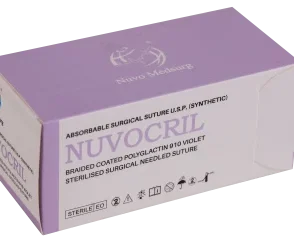
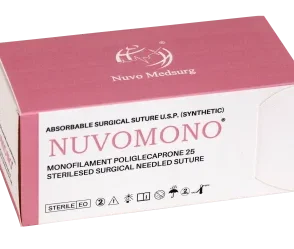
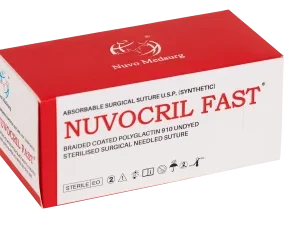
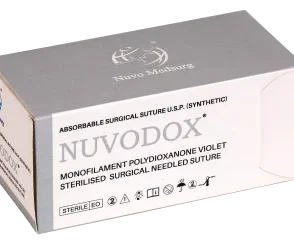
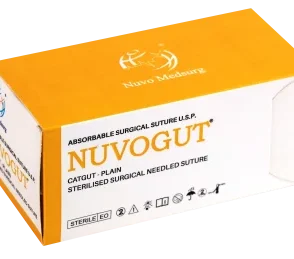
Absorbable Sutures: These stitches are meant to break down and gradually be absorbed by the body. They work well for tissues that heal quickly without requiring removal. Common materials include polyglycolic acid, polyglactin, and polydioxanone.
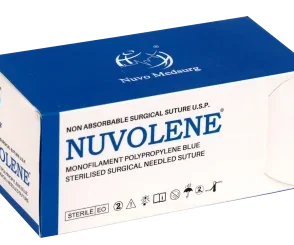
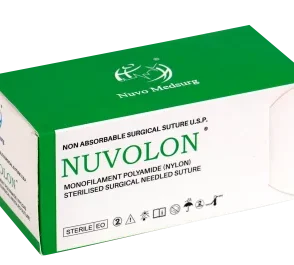
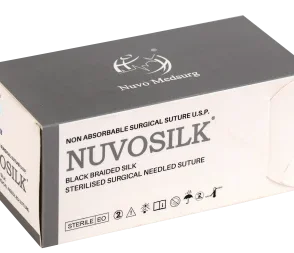
Non-Absorbable Sutures: These sutures remain in the body indefinitely or until manually removed. They provide long-term support and are used for tissues that need extended healing time. Common materials include nylon, polypropylene, and polyester.
Monofilament and Multifilament Sutures
Monofilament Sutures: These are made from a single smooth thread that glides easily through tissues, reducing tissue trauma and minimizing infection risk. They do not harbor bacteria but can be slightly harder to handle. Materials include nylon and polypropylene.
Multifilament Sutures: These consist of twisted or braided strands that provide extra strength and flexibility. They are easier to handle and offer better knot security but tend to harbor bacteria more easily. Silk and polyester are widely used examples.
Coated and Uncoated Sutures
Coated Sutures: These sutures have an outer coating that improves handling, reduces friction, and enables smoother passage through tissue. Some coatings may also minimize infection risk.
Uncoated Sutures: These sutures do not include additional coatings. Although they may not glide as easily, they provide better knot stability and are preferred when knot security is critical.
Characteristics of Sutures
Tensile Strength: Tensile strength ensures that sutures can withstand stress and tension during and after surgical procedures, supporting reliable wound healing without breaking.
Biocompatibility: Biocompatible sutures do not cause adverse reactions within the body. They integrate smoothly with tissues, reducing inflammation, swelling, infection, or rejection.
Knot Security: Knot security is essential for keeping wounds closed. High-quality sutures create tight, dependable knots that hold the tissue together throughout the healing period.
Minimal Tissue Reaction: Sutures designed to minimize tissue reaction help reduce inflammation, pain, and scarring, promoting more comfortable and quicker healing.
Flexibility and Elasticity: Flexible sutures adapt to the natural movement of the body, preventing tissue damage and improving the healing process—especially in high-movement areas.
Sterility: Sterile sutures ensure a pathogen-free environment during surgery. Sterilization prevents infections and enables surgeons to perform procedures safely and effectively.
Purchase the Largest Selection of Surgical Sutures at the Most Affordable Prices
Medical professionals in India can now conveniently browse a wide range of surgical sutures online and benefit from high-quality products at competitive prices. Whether you’re a doctor, surgeon, clinic, or hospital, you can access durable, sterile, and advanced sutures designed to support excellent patient outcomes. Choose from trusted brands, compare options, and enjoy seamless ordering with reliable delivery nationwide.
Buy Suture Online India
Surgical Sutures
Surgical sutures: what are they? They are small, essential, and discrete healthcare tools used to close body wounds and surgical incisions to allow natural healing. Sutures are made from different materials and designed to meet high demands in surgical practice for effective, healthy, and speedy wound healing. Surgical sutures are known for being versatile, biocompatible, and strong. Sutures are made to be biocompatible to prevent uncomfortable responses; they are made to be flexible to move with the body’s natural motions and strong enough to keep tissue together under stress.
In healthcare, surgical sutures are very significant as they make surgeries successful and help in the recovery of patients. Some primary purposes of surgical sutures include promoting tissue repair, hemostasis and lessening scars.
Surgical sutures are necessary for medical treatment efficacy and patient security. Sutures are essential in several aspects of surgical treatment, influencing immediate and long-term results. The right surgical sutures are constructed of biocompatible materials that do not irritate the body’s tissues. This helps reduce the risk of unpleasant reactions and infections, which can create problems and delay recovery.
The strength and durability of surgical sutures are intended to sustain tissues during their healing process. They are created to withstand the body’s forces and movements while avoiding breaking or causing damage to the surrounding tissues. High-quality sutures are intended to be as comfortable as possible for patients, reducing irritation and inflammation while improving healing. Proper sutures help reduce the risk of complications after surgery, supporting a safer recovery.
Types of Sutures
Absorbable and Non-Absorbable Sutures
Absorbable Sutures: These stitches are meant to break down and gradually be absorbed by the body. They work well for tissues that heal quickly without requiring removal. Common materials include polyglycolic acid, polyglactin, and polydioxanone.
Non-Absorbable Sutures: These sutures remain in the body indefinitely or until manually removed. They provide long-term support and are used for tissues that need extended healing time. Common materials include nylon, polypropylene, and polyester.
Monofilament and Multifilament Sutures
Monofilament Sutures: These are made from a single smooth thread that glides easily through tissues, reducing tissue trauma and minimizing infection risk. They do not harbor bacteria but can be slightly harder to handle. Materials include nylon and polypropylene.
Multifilament Sutures: These consist of twisted or braided strands that provide extra strength and flexibility. They are easier to handle and offer better knot security but tend to harbor bacteria more easily. Silk and polyester are widely used examples.
Coated and Uncoated Sutures
Coated Sutures: These sutures have an outer coating that improves handling, reduces friction, and enables smoother passage through tissue. Some coatings may also minimize infection risk.
Uncoated Sutures: These sutures do not include additional coatings. Although they may not glide as easily, they provide better knot stability and are preferred when knot security is critical.
Characteristics of Sutures
Tensile Strength: Tensile strength ensures that sutures can withstand stress and tension during and after surgical procedures, supporting reliable wound healing without breaking.
Biocompatibility: Biocompatible sutures do not cause adverse reactions within the body. They integrate smoothly with tissues, reducing inflammation, swelling, infection, or rejection.
Knot Security: Knot security is essential for keeping wounds closed. High-quality sutures create tight, dependable knots that hold the tissue together throughout the healing period.
Minimal Tissue Reaction: Sutures designed to minimize tissue reaction help reduce inflammation, pain, and scarring, promoting more comfortable and quicker healing.
Flexibility and Elasticity: Flexible sutures adapt to the natural movement of the body, preventing tissue damage and improving the healing process—especially in high-movement areas.
Sterility: Sterile sutures ensure a pathogen-free environment during surgery. Sterilization prevents infections and enables surgeons to perform procedures safely and effectively.
Purchase the Largest Selection of Surgical Sutures at the Most Affordable Prices
Medical professionals in India can now conveniently browse a wide range of surgical sutures online and benefit from high-quality products at competitive prices. Whether you’re a doctor, surgeon, clinic, or hospital, you can access durable, sterile, and advanced sutures designed to support excellent patient outcomes. Choose from trusted brands, compare options, and enjoy seamless ordering with reliable delivery nationwide.
₹833.00 – ₹1,872.00Price range: ₹833.00 through ₹1,872.00
₹979.00 – ₹1,062.00Price range: ₹979.00 through ₹1,062.00
₹388.00 – ₹821.00Price range: ₹388.00 through ₹821.00
₹408.00 – ₹786.00Price range: ₹408.00 through ₹786.00
₹1,643.00 – ₹1,855.00Price range: ₹1,643.00 through ₹1,855.00
₹638.00 – ₹926.00Price range: ₹638.00 through ₹926.00
Buy Suture Online India
Surgical Sutures
Surgical sutures: what are they? They are small, essential, and discrete healthcare tools used to close body wounds and surgical incisions to allow natural healing. Sutures are made from different materials and designed to meet high demands in surgical practice for effective, healthy, and speedy wound healing. Surgical sutures are known for being versatile, biocompatible, and strong. Sutures are made to be biocompatible to prevent uncomfortable responses; they are made to be flexible to move with the body's natural motions and strong enough to keep tissue together under stress.
Surgical sutures are necessary for medical treatment efficacy and patient security. The correct sutures reduce the risk of reactions and infections, keep wounds sterile, and provide strength during healing. High-quality sutures minimise irritation and enhance patient comfort.
Types of Sutures
Absorbable and Non-Absorbable Sutures
Absorbable sutures naturally break down inside the body. Materials include polyglycolic acid, polyglactin, and polydioxanone.
Non-absorbable sutures stay permanently or until removed. Common materials: nylon, polypropylene, and polyester.
Monofilament and Multifilament Sutures
Monofilament sutures use a smooth single thread that reduces infection risks.
Multifilament sutures are braided and offer high knot security.
Coated and Uncoated Sutures
Coated sutures reduce friction and improve handling.
Uncoated sutures provide stronger knot stability where needed.
Characteristics of Sutures
Tensile Strength: Ensures sutures withstand movement without breaking.
Biocompatibility: Prevents irritation and promotes healing.
Knot Security: Maintains wound closure.
Minimal Tissue Reaction: Reduces inflammation and scarring.
Flexibility & Elasticity: Moves with the body naturally.
Sterility: Prevents infection and ensures safe surgical handling.
Buy the Largest Selection of Surgical Sutures Online
Medical professionals in India can now easily browse and purchase high-quality surgical sutures online at competitive prices, ensuring value and reliability with every order.