
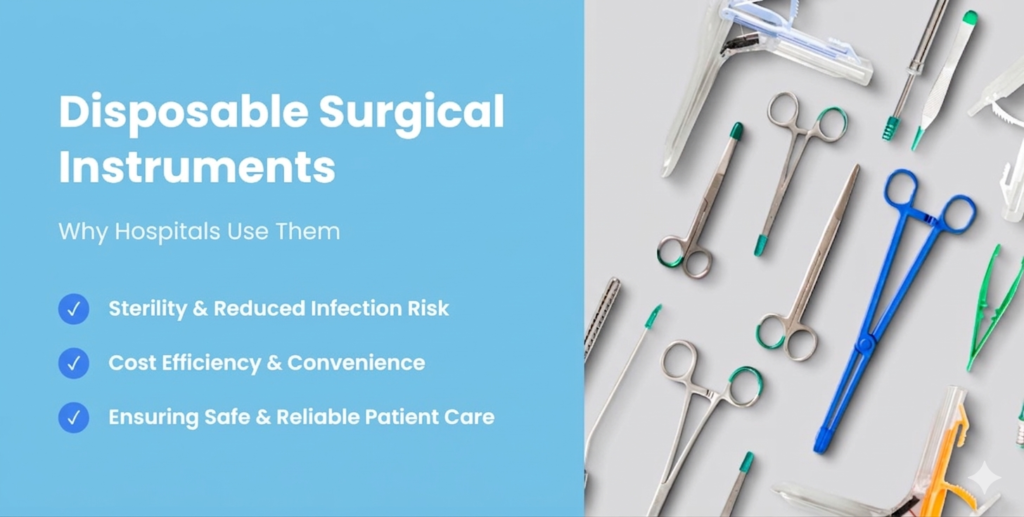
- Hospitals use disposable surgical instruments to boost patient safety.
- These tools stop cross-contamination risks entirely.
- Single-use items help theaters work faster because staff skip the cleaning process.
- Many medical centers now find these tools save money over the long term.
Preventing Infection and Cross Contamination with Single Use Tools
Disposable surgical instruments provide a guaranteed sterile solution for every single patient. Hospitals prefer them because they remove the risks tied to older, reusable tools. When doctors use a tool once, they know it carries zero bacteria from previous procedures. This approach significantly lowers the rate of Surgical Site Infections (SSIs) and other hospital-acquired conditions. Traditional cleaning methods often fail to reach tiny hinges or hollow tubes where germs hide, but single-use gear eliminates this hidden danger entirely. It is a simple change that keeps everyone safer.
Cross-contamination is the physical movement or transfer of harmful bacteria or pathogens from one person or object to another. Think of it like using a fresh toothbrush every time to avoid getting someone else’s germs. This fundamental precaution creates an aseptic environment for every operation.
Comparing the Real Cost of Reprocessing Versus Disposable Surgical Instruments
Disposable surgical instruments often result in lower total spending for hospitals compared to the high reprocessing costs of reusable tools. Many facilities overlook hidden costs when they rely on traditional gear. Cleaning reusable instruments requires expensive equipment like industrial washers and sterilizers. Hospitals must also pay for specialized staff, high volumes of water, electricity, and strong chemical detergents. Extra expenses include shipping items for repairs, tracking software, and managing inventory. A small clinic can save thousands of dollars every year by switching to single-use kits instead of running an entire department for sterile services. This shift removes the need for large, upfront capital investments in heavy cleaning machinery.
|
Hidden Costs of Reusables |
|
|
|
|
|
Boosting Operating Room Efficiency and Turnover Time
Disposable surgical instruments help hospital teams work faster and smarter. These tools arrive at the hospital ready for use. This change reduces the time spent waiting for a machine to finish a sterilizer cycle. Staff spend less time looking for missing tools or putting together complex trays.
- Disposable surgical instruments arrive ready for surgery to speed up room turnover.
- Teams avoid waiting for sterilizer cycles to finish between operations.
- Surgery-ready kits allow nurses and doctors to focus on patient care.
- Every tool stays in stock to make scheduling more predictable.
- Case throughput increases as surgeons move between procedures without delays.
Using these pre-packed kits allows Nuvo Med Surg to support better workflow in the operating room. This approach keeps the medical team productive throughout the entire day.
Performance Benefits and Precision of New Surgical Equipment
Modern disposable surgical instruments provide the same high-quality feel as a brand-new tool during every single procedure. These tools arrive factory-calibrated, which means torque limiters apply the exact amount of force needed so surgeons never over-tighten implants. The sharpness of the blades and scissors remains perfect, which helps reduce tissue damage during sensitive operations. This level of consistency helps surgical teams keep a high standard of care no matter where they work.
Some people think these tools are just flimsy plastic. That is a strange assumption. Modern versions use high-performance polymers and medical-grade steel. They feel sturdy and reliable in the hand. You can find more details on these reliable tools at nuvomedsurg.com.
Common Types of Disposable Surgical Instruments Used in 2026
Hospitals now use disposable surgical instruments for almost every medical specialty, ranging from orthopedics to general care. These tools ensure every patient gets a clean device. Surgeons often rely on surgical sutures paired with these specific disposable devices:
- Forceps: Doctors use these to grab tissue. Because they are new for every patient, they carry no risk of residue from past procedures.
- Surgical Scissors: Styles like the Metzenbaum or Mayo options offer very precise cutting for every unique case.
- Retractors: These simple tools hold back tissue. They improve visibility for the surgeon during a long day.
- Needle Holders: These are vital for secure stitching. They never suffer from the wear and tear that affects older, reusable models.
Traceability and Safety Standards for Medical Device Manufacturing
Disposable surgical instruments rely on unique Trace ID numbers for full accountability. Manufacturers strictly follow ISO 13485 and CE mark standards to verify product safety. These factories perform sterilization through validated gas or steam methods. Every package carries clear labels that state the batch number and the expiration date. Hospitals use this data to track exactly which tool touched a specific patient, which makes their record-keeping quite meticulous.
Environmental Impact and Modern Waste Management Strategies
Disposable surgical instruments now improve sustainability by using more recyclable and biodegradable materials. Cleaning reusable tools requires huge amounts of water and aggressive chemicals, while modern packaging designs for disposables significantly reduce the total volume of medical waste. Hospitals often use smart waste segregation to balance patient safety with their environmental goals.
When not to use: Reusable tools may still be better for extremely rare or highly specialized procedures where the volume of use stays very low.
Conclusion
Hospitals choose disposable surgical instruments because they prioritize patient safety and speed. These tools offer a clear, sterile, and cost-effective path for modern healthcare in 2026. The shift toward single-use equipment reflects a quintessential change in how clinics manage daily risks.
Frequently Asked Questions
Why Are Disposable Surgical Instruments Safer?
They come factory-sterile, and staff use them only once. This process stops germs from spreading between patients.
Are Single-Use Instruments Lower Quality?
No. Manufacturers use high-grade steel and polymers to match the performance of brand-new reusable tools.
How Do Hospitals Dispose of These Tools?
Staff places them into specialized biohazard bins for safe medical waste processing or recycling.
Is It Cheaper to Use Disposables?
Yes. When hospitals add up the costs of labor, water, and repairs for reusable tools, disposables often save money.
Can Single-Use Instruments Be Recycled?
Many modern instruments use materials that facilities can recycle after proper decontamination.


